Sikkim, a small state in northeastern India, is known for its rich cultural heritage and diverse musical traditions. The music of Sikkim reflects the unique blend of influences from its neighboring regions, including Nepal, Bhutan, and Tibet. Traditional Sikkimese music is characterized by the use of indigenous instruments such as the damphu (a type of drum), the tungna (a stringed instrument), and the madal (a percussion instrument). Folk songs and dances play a significant role in Sikkimese culture, often performed during festivals and religious ceremonies. The music is deeply intertwined with the spiritual beliefs of the people, with many songs dedicated to deities and nature. In recent years, contemporary musicians from Sikkim have also started incorporating modern elements into their music, creating a fusion of traditional and contemporary styles that continues to captivate audiences both locally and internationally.
Sikkim boasts a rich tapestry of traditional songs that reflect its diverse cultural heritage. These songs are often performed during festivals, religious ceremonies, and social gatherings, serving as a means of preserving the region's history and traditions. Some of the most popular traditional songs in Sikkim include:
These are some of the wonderous and amazing traditional songs of Sikkim.
We will discuss about three of them in detail below.
Tamang Selo is a traditional folk song of the Tamang community in Sikkim. It is characterized by its lively rhythm and melodious tunes, often accompanied by traditional instruments like the damphu and tungna. The lyrics of Tamang Selo songs typically revolve around themes of love, nature, and daily life. These songs are an integral part of Tamang cultural celebrations and are performed during festivals, weddings, and social gatherings. The energetic dance that accompanies Tamang Selo adds to its charm, making it a vibrant expression of the community's heritage.
Part of the lyrics :
Selo ta ramailo,
Damphu ko taal ma nachau,
Hasauda gita gaun,
Dukha sabai birsau.
Meaning :
Selo is joyful,
Let's dance to the beat of the Damphu,
Singing songs with laughter,
Forgetting all our sorrows.
Zo-Mal-Lok is a traditional folk song of the Lepcha community in Sikkim. It is known for its soothing melodies and poetic lyrics that often depict the natural beauty of the region and the spiritual beliefs of the Lepcha people. The songs are typically performed during religious ceremonies, festivals, and social events, accompanied by traditional instruments such as the bamboo flute and the madal. Zo-Mal-Lok songs serve as a means of preserving the Lepcha language and culture, passing down stories and values from one generation to the next.
Part of the lyrics :
Zo-mal-lok, zo-mal-lok,
Fields of maize we sow,
Dance with joy, sing with heart,
Nature blesses as we grow.
Theme :
Agricultural life and harmony with nature.
Pang Lhabsol is a traditional song associated with the Pang Lhabsol festival celebrated by the Bhutia community in Sikkim. This festival honors the sacred relationship between humans and nature, particularly the revered Mount Kanchenjunga. The Pang Lhabsol song is characterized by its devotional lyrics and melodious tunes, often performed during the festival with traditional instruments like the tungna and damphu. The lyrics of the Pang Lhabsol song express reverence for nature, gratitude for its blessings, and a plea for protection and prosperity. The song plays a vital role in the festival's rituals, fostering a sense of unity and spiritual connection among the participants.
Part of the lyrics :
Kanchenjunga, protector divine,
We bow to your strength and shine,
Bhutia, Lepcha, Nepali stand,
Together we honor our land.
Theme :
Reverence for nature and unity among communities.
Sikkim's traditional music is enriched by a variety of indigenous musical instruments that play a crucial role in its unique sound.
Here are some of the prominent musical instruments used in Sikkimese music:
Let us see them now in this video:
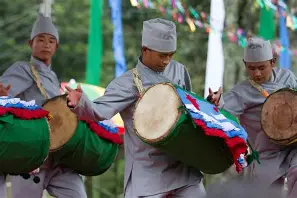
The Chyabrung is a traditional drum used by the Lepcha community in Sikkim. It is made from wood and animal skin, producing deep and resonant sounds that are integral to Lepcha music and dance performances.
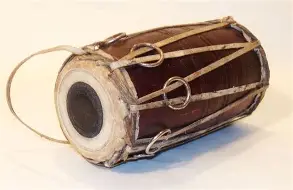
The Madal is a popular percussion instrument in Sikkim, commonly used in folk music. It is a cylindrical drum made from wood and leather, played with the hands to create rhythmic beats that accompany various traditional songs and dances.
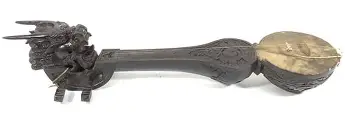
The Tungna is a traditional stringed instrument from Sikkim, often used in folk music. It has a long neck and a resonating body, typically made from wood, and is played by plucking the strings to produce melodious tunes.
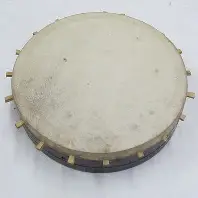
The Damphu is a traditional drum used by the Tamang community in Sikkim. It is circular in shape and made from wood and animal skin, producing rhythmic beats that are essential to Tamang Selo music and dance performances.
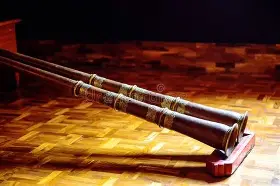
The Dungchen is a long trumpet-like instrument used in Tibetan Buddhist rituals, also prevalent in Sikkim. It produces deep, resonant sounds that are believed to have spiritual significance, often played during religious ceremonies and festivals.
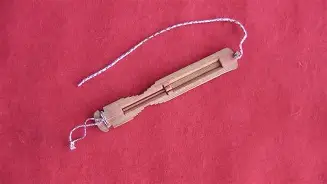
The Binayo is a traditional jaw harp used in Sikkimese folk music. It is made from bamboo or metal and produces a distinctive twanging sound when plucked, often used to accompany songs and dances in the region.
Test your knowledge about the music of Sikkim with this short quiz!
The drum is called the Damphu.
The Lepcha community sings Zo‑Mal‑Lok.
It honors Mount Kanchenjunga and shows unity among Bhutia, Lepcha, and Nepali communities.
The Dungchen (long horn) or the bamboo flute.
The Pang Lhabsol festival.
The Chyabrung is a traditional drum used by the Lepcha community.
The Tungna is a stringed instrument.
The Binayo is made of bamboo or metal and played by plucking with the mouth.
The Damphu is circular in shape.
The Tungna is a traditional stringed instrument, similar to a lute.
In conclusion, the music of Sikkim is a vibrant tapestry woven with the threads of its diverse cultural heritage. From the lively rhythms of Tamang Selo to the soothing melodies of Zo-Mal-Lok and the devotional tunes of Pang Lhabsol, Sikkim's traditional songs reflect the deep connection between its people and their environment. The indigenous musical instruments, such as the Chyabrung, Madal, Tungna, Damphu, Dungchen, and Binayo, further enrich this musical landscape, adding unique sounds and textures that define Sikkimese music. As we celebrate and preserve these musical traditions, we not only honor the past but also inspire future generations to carry forward the legacy of Sikkim's wondrous music.